
5 Types of Accounts in Accounting Assets, Liabilities, Equity, And More

In accounting, a liability refers to an obligation or debt owed by a business or individual. It represents an economic benefit to be received in the future, as opposed to assets, which represent ownership of resources and property. In this section, we will explore several common types of liabilities and their significance. In bookkeeping conclusion, understanding liabilities and their classification as current or long-term is essential for investors, lenders, and companies alike. This knowledge helps to assess a company’s financial health, evaluate its ability to meet its obligations, and make informed decisions about investments and financing. Liabilities are a key part of a company’s financial structure, showing how a business funds its operations and growth.
The Importance of a Chart of Accounts
- Pension obligations represent promises made to employees about their retirement.
- Record noncurrent or long-term liabilities after your short-term liabilities.
- Its Cash Management module automates bank integration, global visibility, cash positioning, target balances, and reconciliation—streamlining end-to-end treasury operations.
- As the company makes payments on the mortgage, the principal portion of the payment reduces the mortgage payable, while the interest portion is accounted for as an interest expense.
- The most common liability is credit issued from a vendor or a bank (lines of credit, credit card debt, accounts payable, etc.).
The amount owed to the customer is recorded as a credit, and the corresponding transaction is recorded as a debit in the appropriate account, such as sales revenue or service revenue. Overall, liability accounts are an important part of debt financing. They allow companies to borrow money to finance their operations and investments.

Quick-reference list of accounts in accounting

In sole proprietorship, a single capital account titled as owner’s capital account or simply capital account is used. In partnership or firm, each partner has a separate capital account like John’s capital account, Peter’s capital account etc. In corporate form of business there are many owners known as stockholders or shareholders and the title capital stock account is used to record any change in the capital. In accounting, the accounts are classified using one of two approaches – modern approach or traditional approach. We shall describe modern approach first because this approach of classification of accounts is used in almost every advanced country. The use How to Run Payroll for Restaurants of traditional approach is very limited and it will be discussed later.
AccountingTools
They are usually broken up into different categories based on your particular business operations and include stock sales, consulting, and more. Think of it as what’s left over for the business owner after the business has paid off all its debts (liabilities). Some loans are acquired to purchase new assets, like tools or vehicles that liabilities in accounting help a small business operate and grow. All businesses have liabilities, except those who operate solely with cash. By operating with cash, you have to handle cash on your own in terms of give and take.
- For example, in the U.S. the IRS requires that travel, entertainment, advertising, and several other expenses be tracked in individual accounts.
- Customers are a significant source of liability accounts for many businesses.
- It also tells us whether a company can survive in the future or would it go bankrupt.
- By automating approvals and integrating seamlessly with accounting software like Xero and QuickBooks, Alaan ensures accurate liability tracking and timely settlements.
- When it comes to accounting processes for your small business, there can be a lot to know and understand.
- With your financial statements and financial data accurate and complete, you will be able to perform analysis and make impactful business decisions.
- After working with thousands of accountants over my career, I’ve noticed certain practices that separate the stress-free professionals from those constantly putting out fires.
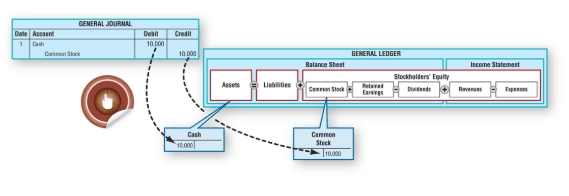
Also referred to as net worth, equity indicates how much your company is currently worth. This account is of utmost importance to a company’s owner as it represents the value of the owner’s investment in the company. Equity is the difference between your business’s assets and liabilities or, more precisely, the residual interest in your company’s assets after the liabilities have been deducted. Dividends, common stock, and retained earnings are all examples of this account type. Liability accounts are classified within the liabilities section of the balance sheet as either current liabilities or long-term liabilities. Current liabilities are scheduled to be payable within one year, while long-term liabilities are to be paid in more than one year.